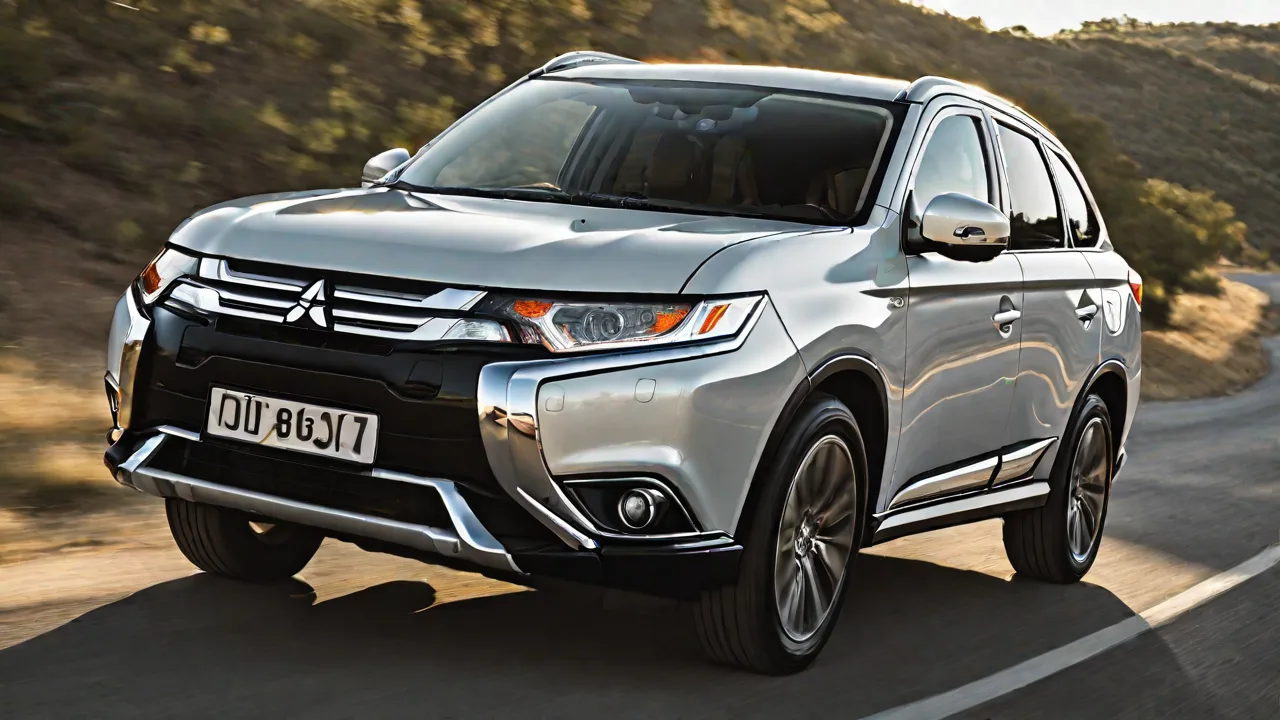
A Detailed Look at the Suspension System of the Mitsubishi Outlander Hatchback and Its Maintenance
The Mitsubishi Outlander hatchback is renowned for its balanced blend of comfort, safety, and performance, and a major contributor to these qualities is its sophisticated suspension system. Engineered to deliver a smooth ride while maintaining stability and precise handling, the suspension system is a critical component that influences the vehicle’s overall driving dynamics. Whether navigating busy city streets or tackling winding country roads, the Outlander’s suspension ensures that passengers experience minimal road vibrations and maximum comfort.
Overview of the Mitsubishi Outlander Suspension System
The suspension system of the Mitsubishi Outlander hatchback is designed to absorb shocks from uneven surfaces, maintain tire contact with the road, and provide stability during acceleration, braking, and cornering. It achieves this through a combination of carefully selected components that work harmoniously to balance comfort with control.
Typically, the Outlander features a MacPherson strut front suspension and a multi-link rear suspension. This setup is common in modern crossover SUVs as it offers a good compromise between cost, comfort, and performance. The MacPherson strut allows for a compact front suspension design, which helps optimize engine bay space and steering precision, while the multi-link rear suspension improves handling by allowing each rear wheel to move independently, reducing vibration and enhancing grip.
Front Suspension: MacPherson Strut
The MacPherson strut is a widely used front suspension design that combines a shock absorber and a coil spring into a single unit. This assembly supports the wheel hub and connects to the vehicle’s chassis, allowing vertical wheel movement while controlling lateral forces.
- Advantages: The design is relatively simple, lightweight, and compact, which helps reduce overall vehicle weight and complexity.
- Function: It absorbs road shocks and provides steering stability by maintaining wheel alignment during road impacts.
- Components: The strut assembly includes the shock absorber, coil spring, strut mount, and bearing, each playing a role in damping vibrations and supporting the vehicle’s weight.
Rear Suspension: Multi-Link Setup
The multi-link suspension system at the rear of the Mitsubishi Outlander consists of several arms that connect the wheel hub to the vehicle body. Each arm is strategically placed and designed to allow independent vertical movement of the wheels, which enhances ride quality and handling precision.
- Advantages: This design improves traction and stability by allowing the wheels to respond individually to road surface irregularities.
- Function: It reduces noise, vibration, and harshness (NVH) inside the cabin and minimizes tire wear by maintaining optimal contact with the road.
- Components: Includes control arms, trailing arms, bushings, and ball joints that work together to absorb shocks and maintain wheel alignment.
Additional Suspension Components and Their Roles
Beyond the primary suspension types, the Mitsubishi Outlander’s suspension system incorporates several other components that contribute to its smooth and safe driving experience.
Shock Absorbers and Coil Springs
Shock absorbers and coil springs form the core of the suspension's ability to dampen road impacts. The coil springs bear the weight of the vehicle and absorb larger impacts, while the shock absorbers control the motion of the springs, preventing excessive bouncing.
- Shock Absorbers: Hydraulic or gas-filled units that dissipate kinetic energy from road shocks, preventing the vehicle from oscillating after hitting bumps.
- Coil Springs: Made of steel, these springs compress and decompress to absorb energy from road irregularities, providing cushioning for the chassis.
Stabilizer Bars (Anti-Roll Bars)
Stabilizer bars connect the left and right sides of the suspension system and work to reduce body roll during cornering, enhancing vehicle stability and occupant comfort.
- Function: They distribute forces evenly across the chassis to keep the vehicle balanced during sharp turns and evasive maneuvers.
- Benefits: Improved handling, reduced risk of rollover, and better driver confidence on curvy roads.
Control Arms and Bushings
Control arms connect the wheel assemblies to the vehicle frame, allowing controlled movement while maintaining proper wheel alignment. Bushings are rubber or polyurethane components that cushion joints and reduce vibrations.
- Control Arms: Provide pivot points for wheels to move up and down independently, crucial for maintaining tire contact.
- Bushings: Absorb minor shocks and reduce metal-on-metal contact, extending the life of suspension components.
Common Suspension Issues in the Mitsubishi Outlander
Like any vehicle, the Outlander’s suspension system can develop issues over time due to wear and tear, road conditions, and driving habits. Recognizing common problems early can prevent costly repairs and ensure continued safety and comfort.
Signs of Suspension Wear
- Uneven Tire Wear: Can indicate misalignment or worn suspension components affecting wheel positioning.
- Excessive Bouncing: When the vehicle continues to bounce after hitting a bump, it may signal worn shock absorbers or springs.
- Noises: Clunking, rattling, or squeaking sounds during driving or turning often point to damaged bushings, ball joints, or strut mounts.
- Poor Handling: Increased body roll, pulling to one side, or unstable steering response suggest suspension or alignment problems.
- Leaking Fluids: Oil leaks near the shock absorbers are signs of failing shocks needing replacement.
Potential Causes
Common causes of suspension issues include:
- Worn or damaged bushings and ball joints due to age and mechanical stress.
- Corrosion or damage from road salt, mud, or water intrusion.
- Impact damage from potholes, curbs, or off-road hazards.
- Improper tire maintenance leading to uneven stress on suspension parts.
Detailed Maintenance Guidelines for Your Mitsubishi Outlander Suspension
Routine maintenance is essential to preserve the performance and longevity of the suspension system, ensuring a safe and comfortable driving experience. The following comprehensive maintenance practices are recommended for Outlander owners.
1. Regular Inspections
Schedule suspension inspections at least every 12,000 miles or annually, whichever comes first. A trained technician will check key components such as:
- Struts and shock absorbers for leaks and wear.
- Coil springs for cracks or sagging.
- Control arms and bushings for deterioration or damage.
- Ball joints and tie rod ends for excessive play.
- Stabilizer bar links and mounts for tightness.
Early detection of worn parts can prevent further damage and maintain ride quality.
2. Tire Care and Alignment
Proper tire maintenance directly impacts suspension health. Follow these steps:
- Maintain Correct Tire Pressure: Check and adjust tire pressure monthly to prevent uneven tire wear and excessive suspension stress.
- Rotate Tires Regularly: Rotate tires every 5,000 to 7,500 miles to ensure even wear and prolong tire life.
- Wheel Alignment: Have wheel alignment checked annually or after hitting potholes or curbs. Misalignment causes uneven tire wear and poor handling.
3. Clean Suspension Components
Dirt, mud, salt, and debris can accelerate wear on suspension parts. After off-road trips or driving in harsh weather, it’s beneficial to:
- Wash the undercarriage with a high-pressure hose to remove grime.
- Inspect for rust or corrosion, especially on metal components.
- Lubricate bushings and joints if applicable to reduce friction and wear.
4. Address Issues Promptly
Never ignore suspension-related symptoms such as unusual noises, vibrations, or changes in handling. Prompt diagnosis and repair can prevent more severe damage and maintain vehicle safety. Common repairs include:
- Replacing worn shock absorbers or struts.
- Changing damaged bushings or ball joints.
- Realigning wheels after suspension repairs.
- Repairing or replacing stabilizer bars and links.
Upgrades and Enhancements for the Suspension System
For Mitsubishi Outlander owners seeking improved ride quality or enhanced off-road capability, several aftermarket upgrades are available:
- Performance Shocks and Struts: High-performance or adjustable shocks provide better damping control and handling responsiveness.
- Upgraded Springs: Heavy-duty or progressive-rate springs can improve load carrying capacity and reduce sagging.
- Enhanced Stabilizer Bars: Thicker or adjustable anti-roll bars reduce body roll during aggressive driving.
- Suspension Lift Kits: For off-road use, lift kits increase ground clearance, allowing for larger tires and better obstacle navigation.
It is important to consult with a professional technician to ensure compatibility and maintain vehicle safety when considering suspension modifications.
Conclusion
The suspension system of the Mitsubishi Outlander hatchback plays a pivotal role in delivering a comfortable, safe, and enjoyable driving experience. Its combination of MacPherson struts at the front and multi-link suspension at the rear allows for precise handling and effective shock absorption across diverse driving conditions. Understanding the function of key components such as shock absorbers, coil springs, stabilizer bars, and control arms helps owners appreciate the engineering that goes into this system.
Regular maintenance, including inspections, tire care, cleaning, and prompt repairs, is essential to prolong the life of the suspension and keep the Outlander performing at its best. With proper care, the suspension system will continue to provide excellent ride quality and handling for many miles.
For detailed service and repairs, always seek assistance from certified Mitsubishi technicians who have the expertise and equipment to maintain your vehicle’s suspension system according to factory standards.