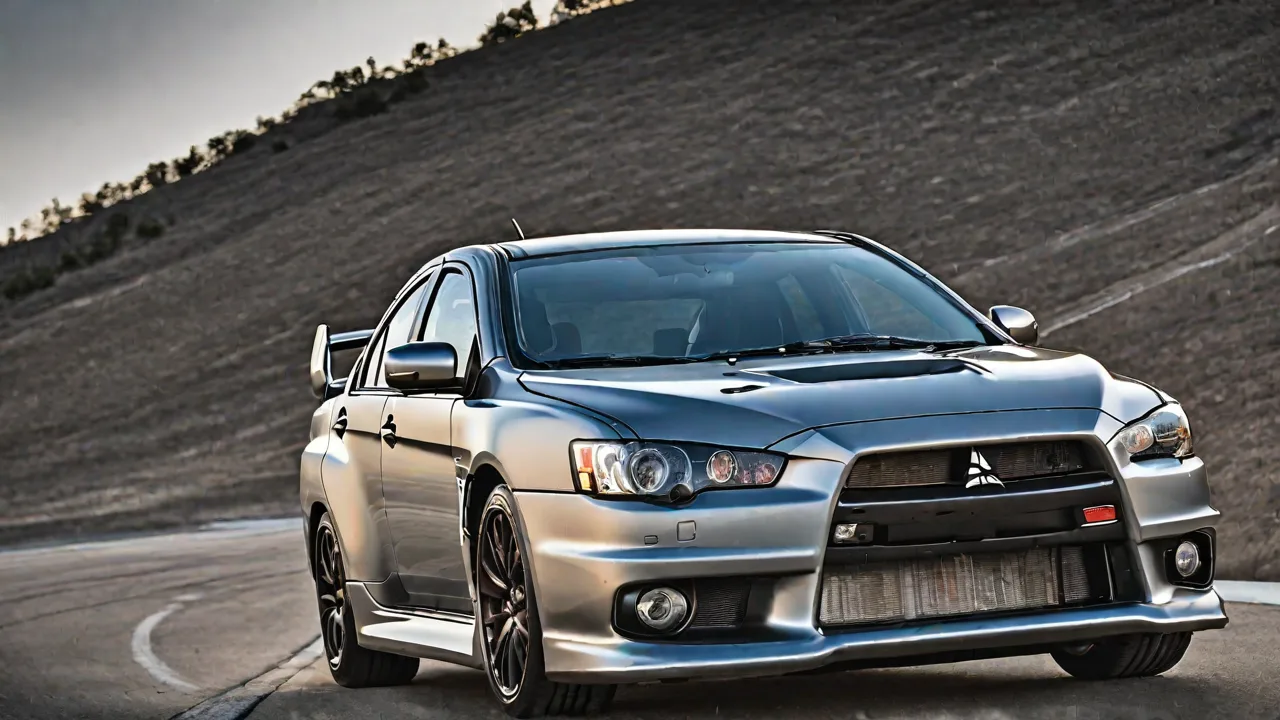
Everyday Mitsubishi’s Tips for Enhancing the Audio Experience in the Lancer Evolution
The Mitsubishi Lancer Evolution, affectionately known as the Evo, has long been celebrated for its exhilarating performance, agile handling, and aggressive styling. While its driving dynamics capture the heart of enthusiasts worldwide, the in-cabin audio experience often remains an overlooked aspect of the overall enjoyment. Enhancing the sound system in your Lancer Evolution not only elevates your daily commutes but also enriches the thrill of spirited drives, making every journey more immersive and enjoyable.
Many drivers find that the factory-installed audio system, while functional, can fall short in delivering the full depth and clarity of their favorite music genres. Whether you’re a fan of crisp rock anthems, booming hip-hop beats, or intricate classical compositions, upgrading your Evo’s audio setup can reveal nuances and layers previously lost amid road noise or limited speaker capability. Fortunately, there are a range of options available—from simple, budget-friendly tweaks to comprehensive system overhauls—that can bring concert-quality sound to your Mitsubishi’s cabin.
Understanding the Stock Audio Limitations in the Lancer Evolution
The stock audio system in the Mitsubishi Lancer Evolution is designed to balance cost, weight, and space considerations, while providing adequate sound for everyday listening. However, it typically features standard-sized speakers with limited power handling, modest amplifier output, and a head unit that may lack modern connectivity and advanced sound processing features. Common limitations include:
- Speaker quality: Factory speakers often use basic materials that may not reproduce high frequencies crisply or deliver deep bass with authority.
- Power output: The built-in amplifier provides limited wattage, which can result in distortion at higher volumes.
- Sound staging and imaging: Without proper tuning, the audio may feel flat or uneven, lacking a sense of space and directionality.
- Connectivity: Older head units may lack Bluetooth, smartphone integration, or compatibility with modern streaming services.
Addressing these limitations through targeted upgrades can transform your driving environment from a simple mode of transportation into a personal concert hall on wheels.
Essential Upgrades to Elevate Your Lancer Evolution’s Audio System
Upgrading your Evo’s sound system can be as simple or as extensive as your budget and preferences allow. Below are key components to consider, along with practical advice to help you make informed choices.
1. Speaker Replacement
One of the most impactful upgrades is replacing the factory speakers. Many stock speakers use paper cones and basic surrounds that degrade sound quality over time. Consider investing in high-quality component speakers or coaxial speakers with superior materials such as polypropylene or woven fibers for the cones, and rubber surrounds for durability and improved sound reproduction.
- Component speakers: These separate the tweeter and woofer, allowing for precise placement and clearer sound separation. This setup enhances the highs and mids, creating a balanced and detailed audio experience.
- Coaxial speakers: A more budget-friendly option where the tweeter is mounted on the woofer, offering a good improvement over stock speakers without complex installation.
Popular brands among Evo owners include Focal, JL Audio, Alpine, and Infinity, each known for producing speakers that deliver clear highs and robust mid-range performance. Make sure to choose speakers that fit the Lancer Evolution’s door or dash openings to avoid costly modifications.
2. Upgrading the Head Unit
The head unit is the control center of your audio system and upgrading it can dramatically improve functionality and sound quality. Modern aftermarket receivers come with advanced features such as:
- Apple CarPlay and Android Auto: Seamless smartphone integration allows access to navigation, calls, messages, and music apps via the vehicle’s touchscreen or voice commands.
- Bluetooth connectivity: Enables wireless streaming and hands-free calling.
- High-resolution audio support: Some units support FLAC and other lossless formats for enhanced sound fidelity.
- Built-in equalizers and sound processors: These allow fine-tuning of audio settings to suit your preferences and compensate for your vehicle’s acoustics.
Brands like Pioneer, Kenwood, Sony, and Alpine offer head units with intuitive interfaces, customizable displays, and robust app ecosystems that can greatly enhance the in-car entertainment experience.
3. Adding a Subwoofer for Deep Bass
While the factory system may struggle to deliver punchy bass, adding a dedicated subwoofer can fill this gap by handling low-frequency sounds with power and clarity. This upgrade is especially appreciated by fans of bass-heavy genres such as hip-hop, EDM, or rock.
- Types of subwoofers: Choose from powered (self-amplified) or passive subwoofers depending on your amplifier setup and space constraints.
- Enclosure design: Sealed enclosures provide tight, accurate bass, whereas ported enclosures produce louder, booming sounds.
- Placement: Common locations include the trunk or under the rear seats; proper placement is crucial to prevent rattling and achieve optimal sound distribution.
When paired with a quality amplifier, a subwoofer can add depth and dimension to your music, making every beat resonate throughout the cabin.
4. Sound Deadening and Noise Reduction
Road noise, vibrations, and rattles can significantly detract from audio clarity. Installing sound-deadening materials in the doors, floor, roof, and trunk areas can reduce unwanted noise and improve speaker performance.
- Materials: Popular products include Dynamat, Hushmat, and Noico, which absorb vibrations and block outside noise.
- Installation areas: Focus on the inside of door panels, wheel wells, firewall, and floorboards for maximum impact.
- Benefits: Sound deadening not only enhances your music but also reduces fatigue on long drives by creating a quieter cabin environment.
Though installation can be labor-intensive, the resulting sound quality improvements and overall driving comfort make it a worthwhile investment.
Advanced Audio Enhancements and Customization
For enthusiasts who desire a truly bespoke audio experience, there are additional upgrades and customization options to consider beyond the basics.
1. Amplifiers for Cleaner Power
Adding an external amplifier can provide your speakers and subwoofer with cleaner, more consistent power than the factory amplifier. This reduces distortion at higher volumes and improves dynamic range.
- Multi-channel amplifiers: These can power multiple speakers and subwoofers simultaneously, allowing for better system balance and control.
- Class D amplifiers: Known for their efficiency and compact size, making them ideal for vehicles with limited space.
Select an amplifier that matches the power handling and impedance of your upgraded speakers for optimal performance.
2. Digital Signal Processors (DSPs)
A DSP allows precise control over the audio signal, including equalization, time alignment, and crossover settings. This level of tuning compensates for acoustic challenges unique to the Lancer Evolution’s interior, such as reflections and speaker placement limitations.
With a DSP, you can customize the sound stage to simulate a live concert experience, positioning different instruments and vocals spatially for immersive listening. Professional installers often use measurement microphones to calibrate DSP settings accurately.
3. Custom Speaker Enclosures and Location Tweaks
Some Evo owners opt for custom-built speaker enclosures or relocate speakers to optimize sound imaging and reduce resonance. For example, installing tweeters on the A-pillars or dash can improve high-frequency dispersion and create a more natural listening environment.
While these modifications require expert craftsmanship and sometimes interior trim alterations, they can significantly enhance the audio quality and uniqueness of your system.
Professional Installation and Calibration
While DIY installation is possible, professional installation is highly recommended for complex audio upgrades. Experienced technicians ensure that components are securely mounted, wiring is properly routed, and the system is calibrated for the best sound performance.
Calibration involves adjusting crossover points, equalizer settings, and time alignment to match your vehicle’s acoustic profile. This process can involve:
- Using sound level meters and test tones to balance speaker output.
- Employing real-time analyzers and measurement microphones to identify and correct frequency anomalies.
- Fine-tuning based on personal listening preferences and typical driving environments.
Professional installation also helps maintain vehicle warranty standards and prevents damage to your car’s electrical system or interior panels.
Maintaining Your Upgraded Audio System
After investing in audio enhancements, proper maintenance is essential to preserve sound quality and system longevity.
- Regular cleaning: Dust and debris can accumulate on speaker grilles and head unit screens, affecting performance and aesthetics.
- Check connections: Periodically inspect wiring for corrosion or loosening, especially after extended drives on rough roads.
- Protect from moisture: Avoid exposure to water and humidity, which can damage electronic components.
- Software updates: Keep your head unit’s firmware up to date to benefit from new features and improved stability.
By caring for your system, you ensure consistent, high-quality audio for years to come.
Choosing the Right Audio Upgrades for Your Lifestyle
Consider how you use your Mitsubishi Lancer Evolution when planning audio upgrades. Factors like daily commuting, weekend track days, long road trips, or car shows influence the type of system that best suits your needs.
- Daily driving: Focus on clarity and convenience features such as Bluetooth and smartphone integration.
- Enthusiast driving: Prioritize sound accuracy and dynamic range to complement spirited runs.
- Long-distance travel: Emphasize comfort with rich bass and noise reduction for fatigue-free listening.
- Show cars: Opt for high-end, visually striking components and custom installations.
Balancing performance, aesthetics, and budget will help you build an audio system tailored to your unique driving style.
Conclusion: Transforming Your Mitsubishi Lancer Evolution into an Audio Powerhouse
Enhancing the audio experience in your Mitsubishi Lancer Evolution is a rewarding endeavor that significantly improves your time behind the wheel. From upgrading speakers and head units to installing subwoofers and sound deadening, each step brings you closer to premium, immersive sound.
Investing in professional installation and calibration ensures the system performs at its best, while advanced options like amplifiers and DSPs offer audiophile-level refinement. Maintaining your system protects your investment and keeps your music sounding fresh and vibrant.
Ultimately, a thoughtfully upgraded audio system turns your Evo into more than just a high-performance car — it becomes a personal sanctuary where every drive is accompanied by crystal-clear sound and powerful bass, perfectly tuned to your taste. Embrace these tips to unlock the full auditory potential of your Mitsubishi Lancer Evolution and enjoy the road like never before.