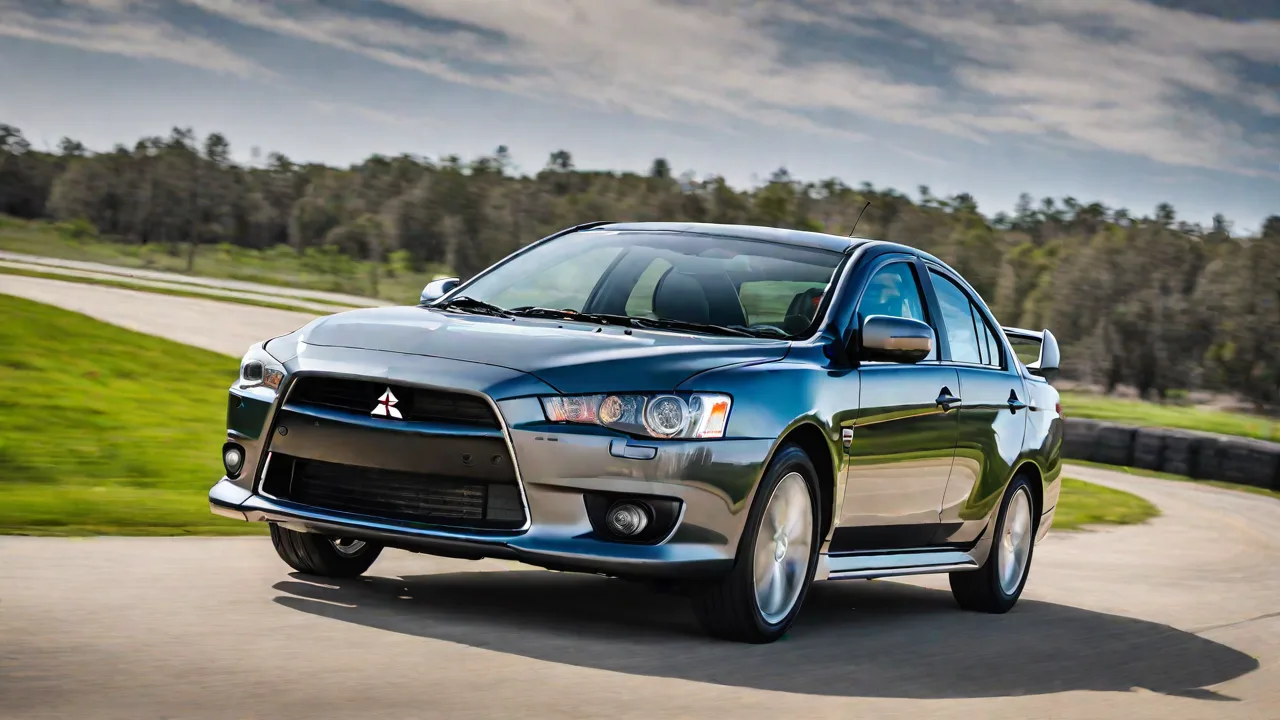
How the Mitsubishi Lancer ES Stands Out in Fuel Efficiency Compared to Other Sedans in Its Class
The Mitsubishi Lancer ES has long been recognized as a competitive player in the compact sedan segment, particularly when evaluating fuel efficiency. In a market flooded with numerous options, the Lancer ES stands out by offering an impressive blend of performance, reliability, and economical fuel consumption. Whether used for daily city commuting or extended highway drives, this model has been engineered to deliver an optimal balance between power and efficiency, making it a practical choice for budget-conscious drivers who do not want to sacrifice driving enjoyment.
One of the most critical factors that differentiate the Mitsubishi Lancer ES from many of its competitors is its fuel economy. Thanks to its carefully calibrated 2.0-liter MIVEC (Mitsubishi Innovative Valve timing Electronic Control) engine and an aerodynamic body design, the Lancer ES achieves commendable miles per gallon (MPG) ratings. This efficiency not only translates into fewer fuel stops but also lowers the overall cost of ownership and reduces the vehicle’s environmental footprint. In comparison to other sedans in the same class—such as the Honda Civic, Toyota Corolla, and Mazda3—the Lancer ES manages to hold its own, often delivering comparable or better fuel consumption figures, especially under mixed driving conditions.
Key Features Contributing to Fuel Efficiency
- Efficient Engine Technology: The heart of the Lancer ES is its 2.0-liter MIVEC engine, which employs variable valve timing to optimize combustion efficiency. This technology adjusts valve timing based on driving conditions, ensuring the engine runs efficiently whether cruising at low speeds or accelerating on highways. The result is a smooth power delivery combined with reduced fuel consumption, making the MIVEC engine both responsive and economical.
- Lightweight Construction: Weight plays a significant role in fuel economy. Mitsubishi engineers have integrated lightweight materials in the Lancer ES’s chassis and body panels where feasible, including high-strength steel and advanced composites. This strategic weight reduction reduces the energy required to propel the vehicle, directly contributing to improved MPG ratings without compromising safety or structural integrity.
- Aerodynamic Design: The Lancer ES features a streamlined silhouette with subtle curves and a sloping roofline designed to minimize air resistance. Aerodynamic improvements such as a low drag coefficient, optimized underbody panels, and carefully designed side mirrors help the car cut through the air more efficiently. This design reduces engine workload at higher speeds, particularly on highways, which further enhances fuel economy.
- Transmission Options: The Lancer ES offers both a 5-speed manual transmission and a continuously variable transmission (CVT). The manual transmission appeals to driving enthusiasts who enjoy more control over gear selection, while the CVT provides a seamless range of gear ratios that constantly adjust to maintain the engine at its most efficient RPM. The CVT option, in particular, is tailored for maximizing fuel economy during city driving and stop-and-go traffic.
Comparing the Mitsubishi Lancer ES to Other Sedans in Its Class
When assessing fuel efficiency, it’s important to look beyond just the numbers and consider how those figures translate to real-world driving. The Lancer ES holds several advantages that make it a compelling choice against popular competitors.
Fuel Economy Ratings
According to EPA ratings, the Mitsubishi Lancer ES achieves approximately 27 MPG in the city and 34 MPG on the highway when equipped with the CVT transmission. While these figures are competitive, they are complemented by the vehicle’s consistent performance across various driving conditions. For comparison:
- Honda Civic: Typically rated around 30 MPG city and 38 MPG highway, the Civic edges out the Lancer slightly in fuel economy but often at a higher purchase price.
- Toyota Corolla: Known for its reliability and efficiency, the Corolla averages about 28 MPG city and 36 MPG highway, similar to the Lancer’s performance.
- Mazda3: With its SkyActiv technology, the Mazda3 offers about 26 MPG city and 35 MPG highway, placing it closely alongside the Lancer ES.
While the Lancer may not always top every category, it offers a strong balance of fuel economy and performance, often at a more affordable price point, which is a significant consideration for many buyers.
Driving Experience and Fuel Efficiency
One of the Lancer ES’s strengths is its ability to maintain fuel efficiency without sacrificing driving dynamics. The vehicle’s suspension system and responsive steering ensure that drivers do not have to compromise on handling for the sake of economy. This contrasts with some other sedans that prioritize fuel savings but provide a more passive driving experience. Moreover, the CVT transmission’s smooth operation enhances fuel savings by eliminating traditional gear shift points that can cause fuel wastage.
Additional Technologies Enhancing Fuel Efficiency
Beyond mechanical features, the Mitsubishi Lancer ES incorporates several technologies aimed at maximizing fuel efficiency and reducing emissions.
- Eco-Mode Driving Setting: Some trim levels of the Lancer ES include an Eco-Mode button that adjusts throttle response and transmission behavior to prioritize fuel savings. When activated, the engine management system reduces fuel injection rates during light acceleration and optimizes gear shifts for efficiency.
- Low Rolling Resistance Tires: The tires fitted on the Lancer ES are designed to minimize friction with the road surface, reducing the power required to keep the car moving. This subtle feature contributes to improved fuel economy over the vehicle’s lifecycle.
- Start-Stop System: While not standard on all models, some versions of the Lancer ES may include an automatic engine start-stop feature that shuts down the engine during extended idling—for example, at traffic lights—thereby conserving fuel and lowering emissions.
Environmental Impact and Cost Savings
Choosing a fuel-efficient vehicle like the Mitsubishi Lancer ES has tangible benefits beyond just saving money at the pump. Lower fuel consumption directly translates to reduced greenhouse gas emissions, which helps reduce the driver’s carbon footprint. The Lancer ES’s efficient engine and aerodynamic design contribute to cleaner operation than many less efficient sedans.
From a financial perspective, the Lancer ES’s strong fuel economy means fewer trips to refuel, which can add up to substantial savings over time. For example, assuming an average annual driving distance of 12,000 miles, the Lancer’s fuel efficiency could save drivers hundreds of dollars annually compared to vehicles with lower MPG ratings. These savings become especially important as fuel prices fluctuate.
Maintenance and Longevity Considerations
Fuel efficiency also ties into the long-term reliability and maintenance costs of a vehicle. The Mitsubishi Lancer ES’s engine and drivetrain are designed for durability and efficient operation, which helps maintain fuel economy levels throughout the life of the vehicle. Regular maintenance such as timely oil changes, air filter replacements, and proper tire inflation can further ensure the vehicle continues to deliver optimal MPG figures.
Moreover, the Lancer ES’s straightforward mechanical design means that repairs and servicing are often more affordable compared to more complex systems found in some competitors. This balance of efficiency and ease of maintenance makes the Lancer ES a practical choice for drivers looking for a dependable sedan with low overall operating costs.
Conclusion
The Mitsubishi Lancer ES remains a noteworthy contender in the compact sedan market, particularly for drivers prioritizing fuel efficiency without sacrificing style or performance. Through its efficient 2.0-liter MIVEC engine, lightweight construction, aerodynamic profile, and advanced transmission options, the Lancer ES achieves competitive fuel economy ratings that rival many of its class leaders.
When compared with models like the Honda Civic, Toyota Corolla, and Mazda3, the Lancer ES offers a compelling combination of fuel savings, driving enjoyment, and affordability. Its additional eco-friendly features and cost-saving benefits make it a smart choice for a wide range of drivers—from daily commuters to longer-distance travelers.
Ultimately, for those seeking a sedan that delivers reliability, economy, and a pleasurable driving experience, the Mitsubishi Lancer ES stands out as an option worthy of serious consideration.