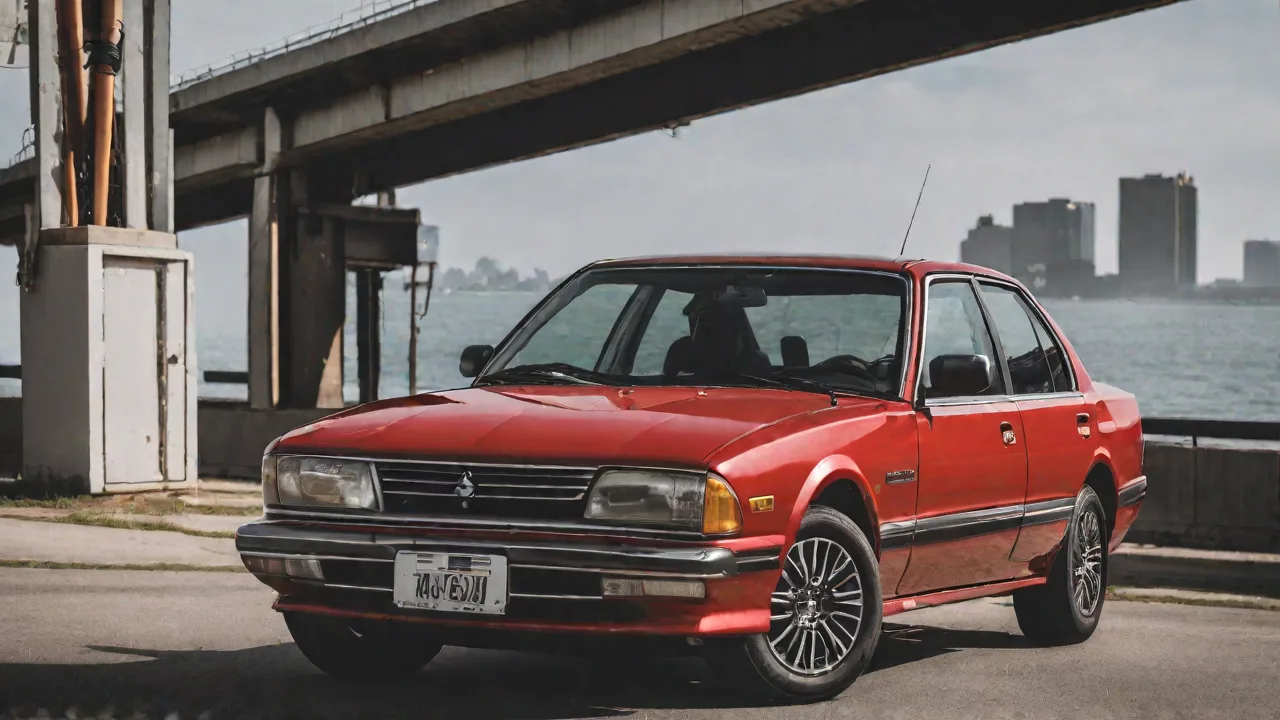
How to Diagnose and Fix Common Electrical Problems in Your Mitsubishi Galant Sedan
Electrical problems in your Mitsubishi Galant sedan can be a significant source of frustration, especially when they affect essential functions such as starting the engine, lighting, or dashboard indicators. Fortunately, many common electrical issues can be diagnosed and repaired with some basic knowledge, the right tools, and a systematic approach. Understanding how your vehicle’s electrical system operates and knowing where to begin troubleshooting can save you both time and money, while also preventing minor issues from escalating into costly repairs.
Understanding the Electrical System of the Mitsubishi Galant
The Mitsubishi Galant’s electrical system is a complex network of components that work together to power various functions such as ignition, lighting, sensors, and electronic controls. Key elements include the battery, alternator, wiring harnesses, fuses, relays, sensors, switches, and the vehicle’s onboard computer modules. Each of these parts plays a critical role in ensuring your car runs efficiently and reliably.
The battery provides the initial electrical power needed to start the engine and operate accessories when the engine isn’t running. The alternator recharges the battery and powers the electrical system when the engine is on. Fuses and relays protect circuits from overloads and control power flow to various components. Wiring harnesses transmit electrical signals and power throughout the vehicle, while sensors and switches provide important feedback for engine management and safety systems.
Common Electrical Problems in the Mitsubishi Galant
- Dead battery or poor battery connections: One of the most frequent causes of electrical failure is a weak or dead battery, often caused by age, repeated deep discharging, or parasitic drains. Corroded or loose battery terminals can also interrupt electrical flow.
- Faulty alternator or charging system: A failing alternator can lead to insufficient battery charging, dim lights, and electrical malfunctions. Signs include warning lights on the dashboard, flickering headlights, and difficulty starting the vehicle.
- Blown fuses and relays: Electrical components rely on fuses and relays to prevent damage from power surges. If a fuse blows or a relay fails, it can disable systems such as power windows, headlights, or the fuel pump.
- Wiring issues and loose connections: Over time, wiring harnesses can suffer from wear, corrosion, or damage from rodents or road debris. Loose connectors may cause intermittent problems, such as flickering lights or malfunctioning sensors.
- Malfunctioning sensors and switches: Sensors like the crankshaft position sensor or throttle position sensor are crucial for engine management. Faulty sensors can cause poor engine performance, stalling, or starting issues. Similarly, worn switches, such as ignition or light switches, can cause intermittent faults.
Step-by-Step Guide to Diagnosing Electrical Problems
1. Visual Inspection
Begin by opening the hood and inspecting the battery and its terminals. Look for signs of corrosion (a white or bluish powdery substance), loose clamps, or damaged cables. Check the fuse box for any visibly blown fuses—these usually have a broken filament inside or discoloration.
Next, examine the wiring harnesses, especially those near moving parts or heat sources, for frayed insulation, exposed wires, or melted connectors. Look under the dashboard and around the engine bay for loose or disconnected plugs.
2. Test the Battery
Using a digital multimeter set to DC voltage, measure the battery voltage. A fully charged battery should read around 12.6 volts with the engine off. If the voltage is below 12.4 volts, the battery may be weak or discharged. Try charging it or jump-starting the car to see if the problem resolves.
3. Inspect the Charging System (Alternator)
Start the engine and measure the battery voltage again. It should increase to between 13.5 and 14.5 volts if the alternator is charging properly. If the voltage remains low or fluctuates, the alternator or voltage regulator may be faulty.
4. Check Fuses and Relays
Refer to your Mitsubishi Galant’s owner’s manual or fuse box cover for the fuse layout. Use a fuse tester or a multimeter in continuity mode to check each fuse. Replace any blown fuses with ones of the same amperage rating to avoid electrical hazards.
Relays can be tested by swapping a suspected faulty relay with a similar one in the fuse box that you know works (e.g., swapping the horn relay with the headlight relay). If the problem moves, the relay is likely defective.
5. Examine Wiring and Connectors
If basic checks don’t pinpoint the issue, inspect wiring harnesses more thoroughly. Wiggle connectors and wires while observing if the problem appears or disappears—this can indicate a faulty connection. Use electrical contact cleaner to remove corrosion and improve conductivity.
6. Use Diagnostic Tools
Modern Mitsubishi Galant models are equipped with an onboard diagnostics system (OBD-II). Using an OBD-II scanner, you can retrieve trouble codes that indicate which sensors or systems are malfunctioning. This helps narrow down electrical issues related to engine sensors or electronic control units (ECUs).
Common Electrical Symptoms and Their Likely Causes
- Engine won’t start: Dead battery, faulty starter motor, bad ignition switch, or blown fuse for the starter circuit.
- Dim or flickering headlights: Weak battery, failing alternator, corroded wiring, or loose ground connections.
- Non-functioning power windows or locks: Blown fuse, faulty relay, or broken wiring in the door harness.
- Dashboard warning lights illuminated: Sensor failures, loose connectors, or ECU issues.
- Intermittent electrical problems: Loose or corroded connections, damaged wiring, or failing switches.
DIY Fixes for Common Electrical Problems
Many electrical issues can be resolved by owners with some mechanical aptitude and basic tools. Here are some straightforward fixes to try before seeking professional assistance:
- Clean and tighten battery terminals: Remove corrosion using a mixture of baking soda and water or a commercial battery terminal cleaner. Use a wire brush to clean terminals and clamps, then reattach and tighten securely.
- Replace blown fuses: Always replace with the exact amperage rating to protect circuits properly. Carry spare fuses in your glove compartment for emergencies.
- Repair damaged wiring: Use electrical tape, heat shrink tubing, or solder and replace sections of damaged wire as needed. Ensure all repairs maintain proper insulation and protection.
- Check and replace faulty relays: Swap similar relays to test functionality or purchase new ones from an auto parts store.
- Reset electrical components: Sometimes disconnecting the battery for 10-15 minutes resets control modules and clears minor glitches.
- Clean connectors and terminals: Use electrical contact cleaner spray on connectors and terminals to remove oxidation and improve signal flow.
When to Consult a Professional Technician
While many electrical problems are manageable at home, some issues require advanced diagnostic equipment and expertise. If you experience persistent electrical faults after performing basic checks and repairs, or if you encounter complex symptoms such as multiple system failures, engine stalling, or error codes that cannot be resolved easily, it is advisable to visit a qualified Mitsubishi technician.
Professional mechanics have access to factory-grade diagnostic tools, wiring diagrams, and replacement parts to effectively troubleshoot and repair intricate electrical problems. Attempting complicated repairs without experience may lead to further damage or safety hazards.
Preventive Maintenance Tips for Your Mitsubishi Galant’s Electrical System
Proactive care can minimize the risk of electrical problems and extend the life of your vehicle’s components. Consider the following maintenance tips:
- Regularly inspect battery condition: Check for corrosion, secure mounting, and voltage levels at least twice a year.
- Keep terminals and connectors clean: Periodically clean battery terminals and electrical connectors to prevent oxidation buildup.
- Perform fuse box inspections: Look for signs of moisture, dirt, or damage that could cause shorts or blown fuses.
- Protect wiring from damage: Avoid exposing wiring harnesses to excessive heat, moisture, or physical abrasion during repairs or modifications.
- Address electrical glitches promptly: Fix minor electrical issues as soon as they appear to prevent escalation.
- Use quality replacement parts: Always choose OEM or high-quality aftermarket parts for batteries, fuses, relays, and wiring to ensure compatibility and reliability.
Additional Resources and Support
If you want to deepen your understanding or troubleshoot specific problems, consider consulting the following resources:
- Official Mitsubishi Galant Owner’s Manual – Provides detailed electrical system diagrams and specifications.
- AutoZone Repair Guides and Forums – Offers step-by-step repair procedures and community support.
- OBD-II Code Reference – Helps interpret diagnostic trouble codes retrieved by scanners.
- Mitsubishi Motors Official YouTube Channel – Features maintenance tips and troubleshooting videos.
Conclusion
Electrical problems in your Mitsubishi Galant sedan can often be resolved with careful inspection, simple testing, and basic repairs. By understanding the key components and following a systematic diagnostic approach, you can identify issues such as battery faults, blown fuses, alternator problems, wiring defects, or sensor malfunctions. Taking prompt action to repair these issues will keep your vehicle running smoothly and prevent inconvenient breakdowns.
However, always prioritize safety when working with your car’s electrical system. If you are unsure or encounter complex problems, seek the assistance of a professional technician equipped to handle the intricacies of automotive electronics. Regular maintenance and vigilance are the best ways to ensure your Mitsubishi Galant remains reliable and enjoyable to drive for years to come.