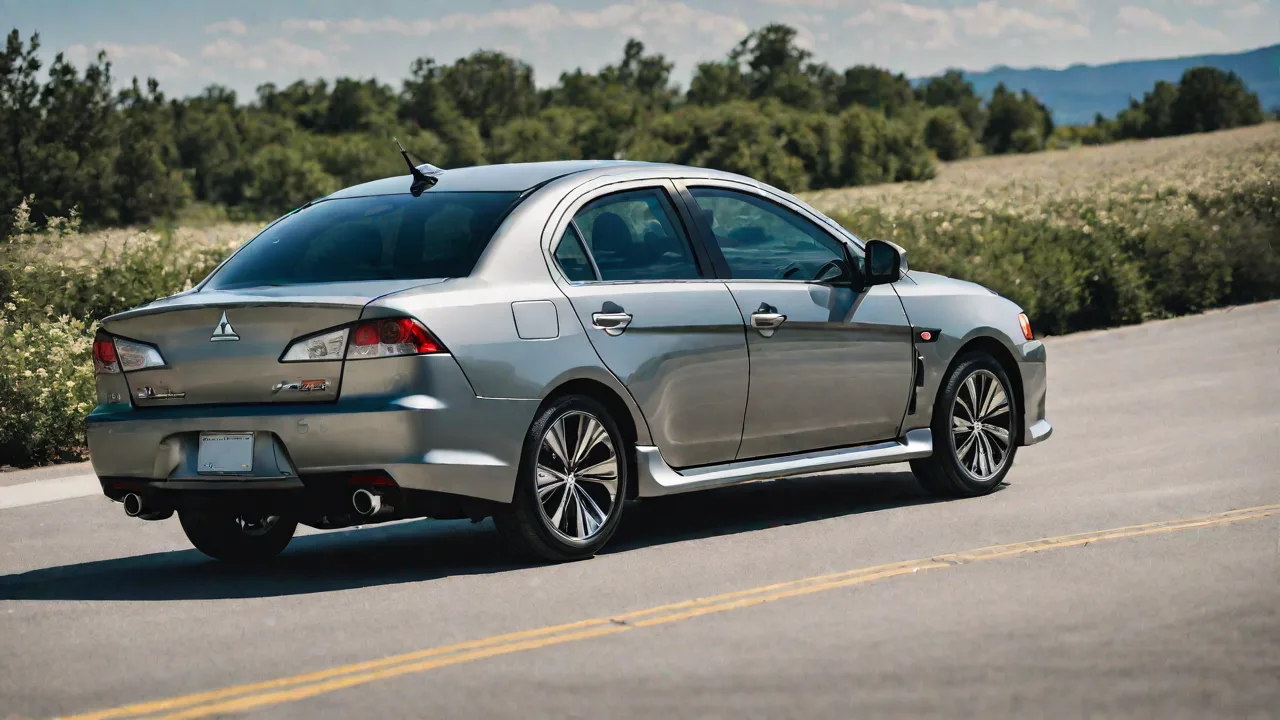
The Everyday Mitsubishi Guide to Maintaining Optimal Tire Pressure for Lancer and Outlander Models
Maintaining optimal tire pressure is one of the simplest yet most crucial aspects of vehicle care for your Mitsubishi Lancer or Outlander. Proper tire inflation not only enhances your vehicle’s safety and handling but also contributes significantly to fuel efficiency, tire longevity, and overall driving comfort. Whether you’re navigating city streets or embarking on long highway journeys, consistently monitoring and maintaining the correct tire pressure ensures that your Mitsubishi performs at its best under various driving conditions.
Understanding Tire Pressure and Its Importance
Tire pressure refers to the amount of air inside your tires, measured in pounds per square inch (PSI). The correct tire pressure for your Mitsubishi Lancer or Outlander is carefully calibrated by the manufacturer to balance comfort, safety, and performance. It directly affects how your vehicle responds to steering inputs, how it grips the road, and how efficiently it uses fuel.
The Impact of Incorrect Tire Pressure
- Under-Inflated Tires: When tires are under-inflated, they have increased rolling resistance, which means the engine has to work harder to move the vehicle. This results in decreased fuel economy and can cause excessive heat buildup inside the tire, leading to premature wear or even tire failure. Additionally, under-inflation reduces vehicle stability, negatively impacting handling and increasing stopping distances.
- Over-Inflated Tires: Tires inflated beyond their recommended pressure have a smaller contact patch with the road. This can make the ride feel harsh and uncomfortable and leads to uneven tread wear, particularly in the center of the tire. Over-inflation also reduces traction and can increase the risk of damage from road hazards such as potholes and debris.
Maintaining the right tire pressure helps prevent these issues, ensuring a smoother ride, better fuel economy, and enhanced safety for you and your passengers.
How to Find the Correct Tire Pressure for Your Mitsubishi
Each Mitsubishi model has specific tire pressure recommendations that take into account vehicle weight, suspension design, and intended use. For accurate information:
- Check the Tire Placard: This label, typically found on the driver’s side door jamb or inside the fuel filler flap, displays the recommended front and rear tire pressures for your vehicle under normal load conditions.
- Consult the Owner’s Manual: Your Mitsubishi’s manual provides detailed tire specifications and guidance on adjusting tire pressure based on different driving scenarios.
- Consider Load and Driving Conditions: If you regularly carry heavy loads or drive extensively on highways, you might need to adjust your tire pressure slightly within the manufacturer’s recommended range. Always refer to the manual or consult a Mitsubishi service professional for advice.
Step-by-Step Guide to Checking and Maintaining Tire Pressure
Proper tire pressure maintenance involves routine checks and adjustments. Follow these steps to ensure your Mitsubishi Lancer or Outlander’s tires are always at optimal pressure:
1. Gather the Necessary Tools
Invest in a reliable tire pressure gauge—digital or analog—that provides accurate readings. Some modern Mitsubishi models may also be equipped with Tire Pressure Monitoring Systems (TPMS), which alert you to pressure drops, but manual checks remain essential for accuracy.
2. Check Tires When Cold
For the most accurate reading, measure tire pressure when tires are cold—that is, before driving or at least three hours after the vehicle has been parked. Heat generated during driving can increase tire pressure temporarily, leading to inaccurate measurements.
3. Remove the Valve Cap and Measure Pressure
Unscrew the valve cap on each tire and press the pressure gauge firmly onto the valve stem. Take note of the reading and compare it to the recommended PSI.
4. Inflate or Deflate Tires as Needed
If the pressure is below the recommended level, inflate the tire using an air compressor available at many service stations or at home if you have one. If the pressure is above the recommended PSI, release air carefully by pressing the small pin inside the valve stem until the desired pressure is reached.
5. Replace Valve Caps
After adjusting the pressure, replace the valve caps securely to protect the valve stem from dirt and moisture.
6. Inspect Tires for Wear and Damage
While checking pressure, take the opportunity to visually inspect your tires for signs of damage such as cuts, cracks, bulges, or uneven tread wear. Uneven wear can indicate alignment issues or suspension problems that should be addressed promptly.
Additional Tips for Tire Care on Mitsubishi Lancer and Outlander
Regular Tire Rotation and Balancing
To promote even tire wear and extend tire life, have your tires rotated every 5,000 to 7,500 miles or as recommended in your owner’s manual. Balancing the tires helps prevent vibrations and improves ride quality.
Wheel Alignment Checks
Misaligned wheels can cause rapid and uneven tire wear, affecting steering response and safety. If you notice your vehicle pulling to one side or uneven tire wear, have your alignment checked by a qualified technician.
Monitor Tire Tread Depth
Proper tread depth is vital for traction, especially in wet or slippery conditions. Use a tread depth gauge or the “penny test”—insert a penny into the tread with Lincoln’s head upside down; if you can see the top of his head, it’s time to replace the tires.
Seasonal Tire Considerations
If you live in an area with significant seasonal weather changes, consider switching to winter tires during cold months for improved traction. Always maintain proper inflation according to the tire type and temperature changes, as tire pressure can drop approximately 1 PSI for every 10°F decrease in temperature.
Benefits of Maintaining Optimal Tire Pressure
Keeping your Mitsubishi Lancer or Outlander’s tires properly inflated offers a range of benefits that enhance your driving experience and reduce overall vehicle operating costs:
- Improved Safety: Optimal tire pressure ensures better grip on the road, shorter braking distances, and more predictable handling, particularly in emergency maneuvers.
- Enhanced Fuel Efficiency: Correctly inflated tires reduce rolling resistance, allowing your engine to work more efficiently and save fuel over time.
- Longer Tire Life: Even tire wear extends the lifespan of your tires, reducing the frequency and cost of replacements.
- Better Ride Comfort: Proper inflation balances ride softness and responsiveness, contributing to a more comfortable driving experience.
- Environmental Benefits: Improved fuel economy reduces CO2 emissions, making your Mitsubishi more eco-friendly.
Using Technology to Monitor Tire Pressure
Modern Mitsubishi models often come equipped with Tire Pressure Monitoring Systems (TPMS), which continuously monitor tire pressure and alert you if a tire becomes significantly underinflated. While TPMS is a valuable safety feature, it should not replace regular manual checks, as it typically triggers warnings only when pressure drops below a certain threshold, which might already be unsafe.
Aftermarket Tire Pressure Monitoring Devices
If your vehicle does not have a built-in TPMS, consider installing an aftermarket system. These devices offer real-time pressure readings for each tire via a display unit or smartphone app, giving you convenient and continuous monitoring.
When to Seek Professional Help
While many tire maintenance tasks can be done by owners, certain situations require expert assistance:
- Persistent Tire Pressure Loss: If a tire frequently loses pressure without visible damage, it may have a slow leak or valve issue that needs professional repair or replacement.
- Unusual Tire Wear Patterns: Uneven tread wear can indicate suspension or alignment problems that impact vehicle safety and handling.
- Damage from Road Hazards: Cuts, bulges, or sidewall damage require inspection and possible tire replacement to prevent blowouts.
- Seasonal Tire Changes: Professionals can safely mount, balance, and store seasonal tires.
By working with certified Mitsubishi technicians, you can ensure your tires and overall vehicle remain in peak condition.
Conclusion: Make Tire Pressure Maintenance a Routine
For Mitsubishi Lancer and Outlander owners, maintaining optimal tire pressure is a straightforward yet vital practice that safeguards your investment and enhances every drive. Incorporate monthly tire pressure checks into your vehicle care routine, especially before long trips or when carrying heavier loads. Pair this with regular tire inspections, rotations, and alignment checks to maximize tire performance and longevity.
Remember, well-maintained tires not only protect your safety but also improve fuel economy and reduce environmental impact. By staying proactive about tire care, you enjoy peace of mind and get the most out of your Mitsubishi’s driving dynamics.
For additional guidance or professional tire services tailored to your Mitsubishi Lancer or Outlander, visit your local Everyday Mitsubishi Service Center and let our experts help keep you rolling safely and efficiently.