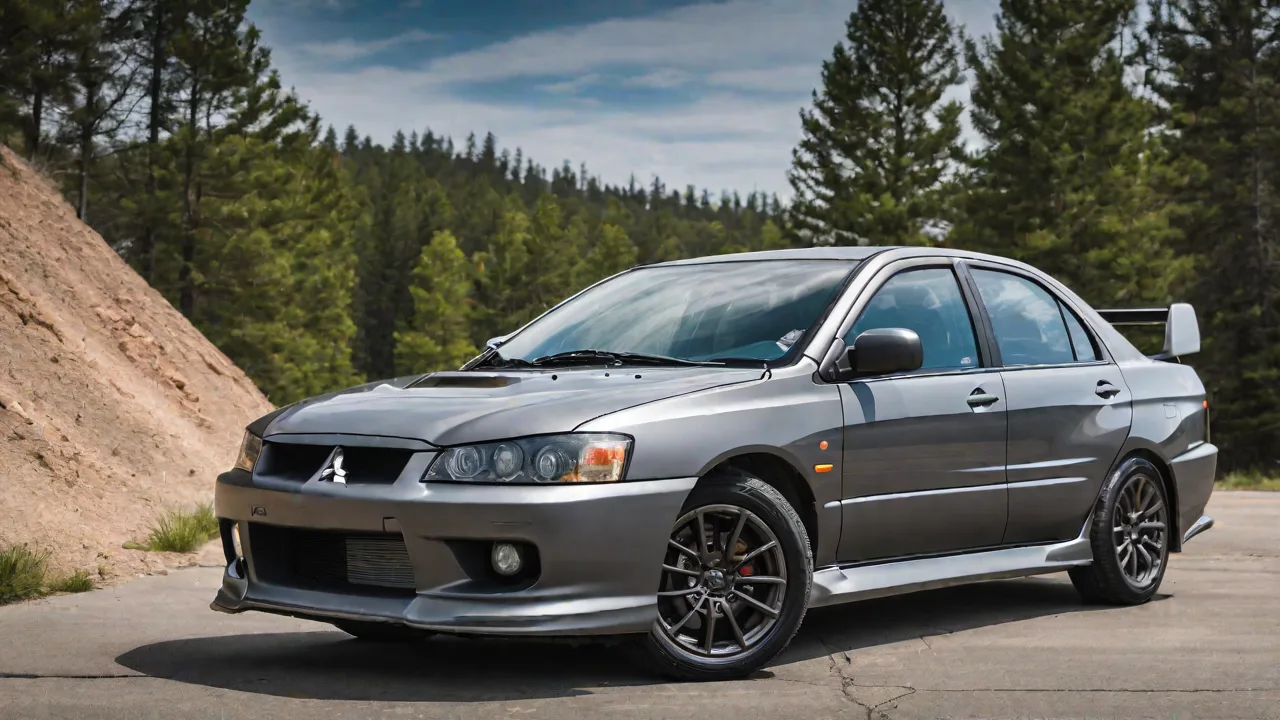
Troubleshooting Common Transmission Issues in the Mitsubishi Lancer Ralliart
The Mitsubishi Lancer Ralliart, celebrated for its dynamic performance and advanced all-wheel-drive system, is a favorite among enthusiasts who seek both speed and reliability. However, despite its robust engineering, the transmission system in the Lancer Ralliart can develop issues over time due to wear, improper maintenance, or external factors. Understanding common transmission problems and how to troubleshoot them is crucial for maintaining optimal vehicle performance and preventing expensive repairs down the line.
Understanding the Transmission System in the Mitsubishi Lancer Ralliart
The Lancer Ralliart is equipped with a sophisticated transmission system designed to complement its turbocharged engine and all-wheel-drive setup. Depending on the model year, it typically features a five-speed manual transmission or a twin-clutch automated manual transmission (TC-SST). Both systems require precise maintenance and care to operate smoothly.
The manual transmission relies heavily on clutch components, synchronizers, and gearsets that must work in harmony to deliver smooth shifts and power transfer. The TC-SST, on the other hand, uses electronic controls and hydraulic actuators to manage gear changes automatically, providing quicker and more efficient shifts than traditional automatics. However, this complexity can also introduce unique troubleshooting challenges.
Common Transmission Problems in the Mitsubishi Lancer Ralliart
- Slipping Gears: Gear slipping occurs when the transmission unexpectedly shifts out of gear or fails to maintain engagement, which can be felt as sudden loss of power or jerking. In manual transmissions, this is often caused by worn clutch plates or pressure plates that fail to maintain grip. In TC-SST models, slipping can result from software glitches, worn clutch packs, or hydraulic issues.
- Delayed Engagement: This problem manifests as a noticeable lag between selecting a gear and the vehicle’s response. It often indicates low or contaminated transmission fluid, which reduces hydraulic pressure. In automated systems, delayed engagement might also be a sign of sensor malfunctions or electronic control unit (ECU) faults.
- Grinding Noises: Hearing grinding or crunching sounds during gear shifts is a classic symptom of worn synchronizers or damaged gear teeth. In manual transmissions, this can also be due to improper clutch operation or misalignment. Persistent grinding noises should be addressed promptly to avoid further internal damage.
- Transmission Fluid Leaks: Leaks are a common cause of transmission failure. Fluid leakage can occur from faulty seals, gaskets, or damaged transmission pans. Low fluid levels lead to overheating, increased friction, and accelerated wear on transmission components.
- Hard or Rough Shifting: Experiencing difficulty when changing gears or feeling jerky transitions can be due to low fluid levels, degraded fluid quality, or worn mechanical parts. In TC-SST transmissions, this may also point to software calibration issues or hydraulic system faults.
- Warning Lights and Error Codes: Modern Lancer Ralliart models are equipped with onboard diagnostics that trigger warning lights on the dashboard when transmission problems are detected. These alerts can help pinpoint specific issues but require professional diagnostic tools to interpret accurately.
Detailed Troubleshooting Steps for Transmission Issues
1. Check and Maintain Transmission Fluid
Transmission fluid is the lifeblood of the transmission system, providing lubrication, cooling, and hydraulic pressure. For manual transmissions, the fluid (often gear oil) should be checked periodically for proper level and contamination. For TC-SST transmissions, it is essential to use the manufacturer-specified fluid type and adhere strictly to the recommended change intervals.
How to check fluid levels:
- Park the vehicle on level ground and warm up the engine to operating temperature.
- Locate the transmission dipstick if applicable (note that some models don’t have a dipstick and require a professional to check fluid levels).
- Remove the dipstick, wipe it clean, reinsert fully, then remove again to check the fluid level and condition.
- Fluid should be clear or slightly red and free of debris or a burnt smell. Dark, dirty, or burnt-smelling fluid indicates it needs to be replaced.
If fluid levels are low, top off with the correct type of transmission fluid. Avoid mixing different fluid types, as this can cause damage.
2. Inspect for Transmission Fluid Leaks
Regularly check under the vehicle for any signs of transmission fluid puddles or stains. Common leak points include:
- Transmission pan gasket
- Axle seals
- Output shaft seals
- Drain and fill plugs
- Clutch slave cylinder (manual transmissions)
If leaks are detected, it’s important to replace the faulty seals or gaskets promptly. Ignoring leaks can lead to dangerously low fluid levels and severe transmission damage.
3. Pay Attention to Shifting Behavior and Noises
Be alert for any changes in how your Lancer Ralliart shifts gears. Symptoms such as slipping, grinding, or hard shifts are clear indicators that the transmission needs attention. Additionally, listen for whining, humming, or clunking noises that could signal bearing wear or gear damage.
Test driving the vehicle under various conditions (e.g., accelerating, decelerating, and shifting through all gears) can help identify specific problems. Documenting these symptoms will assist a technician in diagnosing the issue accurately.
4. Scan for Diagnostic Trouble Codes (DTCs)
Modern Mitsubishi Lancer Ralliart models are equipped with onboard diagnostic systems that monitor transmission performance. Using an OBD-II scanner, you can retrieve any stored error codes related to transmission faults. These codes provide valuable information about sensor failures, solenoid issues, or other internal problems.
If you don’t have access to a scanner, most auto repair shops or dealerships can perform this diagnostic service. Early detection through DTCs can prevent minor issues from escalating into major repairs.
5. Inspect Clutch Components (Manual Transmission)
If your Lancer Ralliart has a manual transmission and you experience slipping or difficulty shifting, the clutch assembly is a likely culprit. Worn clutch discs, pressure plates, or release bearings can cause transmission issues. A slipping clutch often manifests as a rise in engine RPM without corresponding acceleration.
Clutch inspection usually requires removing the transmission, so it’s best handled by a qualified mechanic. However, you can monitor clutch pedal feel—if it becomes spongy, stiff, or sticks, servicing may be necessary.
6. Perform a Transmission Flush and Fluid Replacement
Over time, transmission fluid degrades and accumulates contaminants that impair performance. A transmission flush removes old fluid and debris, replenishing the system with clean fluid. This procedure helps maintain hydraulic pressure, lubrication, and cooling efficiency.
It’s important to follow Mitsubishi’s recommended service intervals for transmission fluid changes. For the Ralliart, these intervals can vary based on driving conditions but generally fall between 30,000 to 60,000 miles.
Preventative Maintenance for Long Transmission Life
Maintaining your Mitsubishi Lancer Ralliart’s transmission goes beyond reacting to issues. Implementing a proactive maintenance routine can significantly extend the lifespan of your transmission and ensure consistent performance.
- Regular Fluid Checks and Changes: Follow the manufacturer’s recommendations for fluid type and replacement intervals.
- Use Quality Parts and Fluids: Always use OEM or high-quality aftermarket components and fluids specifically designed for the Lancer Ralliart.
- Avoid Aggressive Driving: Hard launches, abrupt shifts, or excessive towing can stress the transmission system.
- Keep Cooling Systems in Good Condition: Transmission fluid cools through the transmission cooler; ensuring radiator and cooling fans work efficiently helps prevent overheating.
- Schedule Professional Inspections: Periodic transmission inspections by certified technicians can catch problems early.
When to Seek Professional Help
While many basic transmission issues can be identified and sometimes resolved through simple troubleshooting, some problems require advanced diagnostics and repair. If you notice persistent slipping, grinding noises, delayed engagement, or warning lights on your dashboard, it’s advisable to consult a certified Mitsubishi technician or a trusted transmission specialist.
Transmission repairs can range from clutch replacements to full rebuilds or electronic control module reprogramming. Attempting complex repairs without the proper tools and expertise may lead to further damage and higher repair costs.
Summary
The Mitsubishi Lancer Ralliart’s transmission system is engineered for performance and durability, but like all mechanical components, it requires attentive care. Recognizing common transmission problems such as slipping gears, delayed engagement, grinding noises, and fluid leaks can help owners take timely action to avoid costly repairs.
By performing regular maintenance, monitoring fluid levels, inspecting for leaks, and addressing unusual noises or shifting behaviors promptly, you can keep your Lancer Ralliart’s transmission running smoothly for many miles. For complex issues or persistent symptoms, professional diagnostics and repairs are essential to maintain the vehicle’s safety, reliability, and driving enjoyment.
Maintaining your transmission not only protects your investment but also ensures that your Mitsubishi Lancer Ralliart continues to deliver the exhilarating performance it is known for. Stay vigilant, maintain a routine service schedule, and don’t hesitate to seek expert assistance when needed.